
Published on
•Updated
Qatar’s confirmation that some US military personnel have been moved out of Al Udeid Air Base as a precaution reflects growing concern across the Gulf that tensions between Washington and Tehran could tip into open conflict, according to a leading regional expert.
Speaking to Euronews, Professor Mehran Kamrava of Georgetown University in Qatar said the warning issued this week by Qatar’s Ministry Of Foreign Affairs, that escalation would be “catastrophic,” is an accurate assessment of the risks now facing the region.
“I think that’s a correct assessment,” Kamrava said. “Given the changing nature of geostrategic dynamics in the region, we’re looking at a very difficult set of predicaments.”
Qatar has stressed that the movements at Al Udeid, the largest US air base in the Middle East, are precautionary and do not indicate an imminent threat. But the political scientist said the base’s central role makes Qatar especially exposed if the crisis deepens.
“It is extremely disconcerting, particularly for those of us who are based in the region,” he said. “Iran has formally told the government of Qatar and has formally told the government of Saudi Arabia that it will hit American targets in those countries.”
Iran and the ‘more lethal punch’
Kamrava said Iran’s options have narrowed following the collapse of its so-called “axis of resistance,” pushing Tehran toward more direct forms of retaliation.
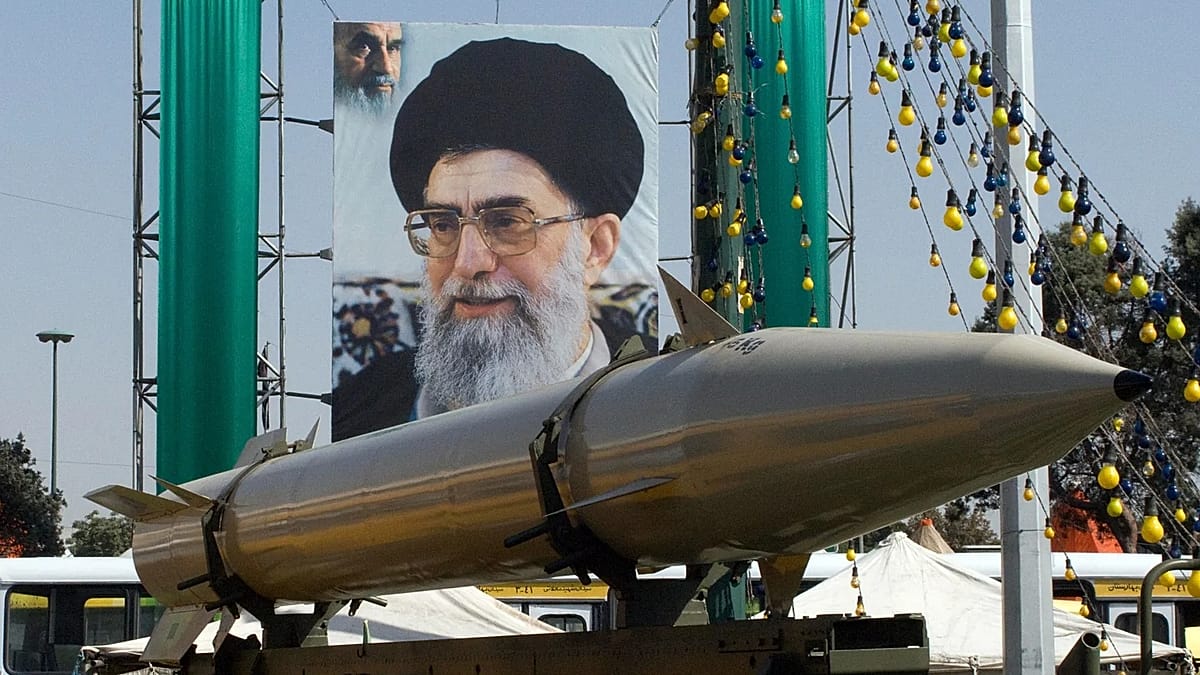
“One of the things we’ve seen is that now that Iran’s axis of resistance no longer exists, the Iranians now resort to their ballistic missiles,” he said. “They can no longer engage the Americans in some remote area. They will hit directly at American targets.”
He warned that if the United States were to strike Iran, the Iranian leadership would have little political room not to respond.
“Politically, the Iranian government simply cannot afford not to react,” Kamrava said. “It cannot bear the domestic political costs of looking incapable of hitting back.”
Pointing to past confrontations, including the 2020 killing of General Qassem Soleimani and the June 2025 strikes on Iranian nuclear facilities, Kamrava said retaliation has been consistent.
“There’s no reason to believe this time would be any different,” he said. “If anything, the Iranians would want to show they can throw a much more lethal punch.”
Protests take on a life of their own
Kamrava said protests that began over economic concerns and the collapse of the rial have evolved, fuelled by government overreaction and outside encouragement.
“Protests can take a life of their own,” he said. While pro-government demonstrations now appear larger, he added that “anti-government sentiment and popular anger are extremely widespread across the country.”
Kamrava said only a sober assessment of the consequences could prevent further escalation.
“You can’t hit Iran and be done with it,” he warned. “If Iran is hit, they will hit American targets in the region. That’s the reality decision-makers need to confront.”